UK Office: 0044 (0)1440 820 358

Clé France

The French Property Network

Dec 31

How do the French celebrate New Year?

As New Year's Eve is fast approaching we thought we should take a look at how it is celebrated in France and see if we can point out some differences to where you live?

December 31st - New Year's Eve is called la Saint-Sylvestre and is celebrated with a feast by most people, called le Réveillon de Saint-Sylvestre unsurprisingly (31 December is his saint's day). The feast includes special items like champagne and perhaps controvertially foie gras, the accompanying party can range from an intimate dinner with friends to lavish public events most often called une soirée dansante (a dance ball).

Kissing under the mistletoe

At midnight, everyone kisses under the mistletoe and offers their best wishes for the new year. Kissing under the mistletoe? I hear you ask? well, interestingly, kissing under the mistletoe is a New Year's Eve / Day custom in France rather than a Christmas custom as in the UK and other countries. Note that the kissing may be on the lips or on the cheek, depending on the relationship between the two people so if you are not sure then start with the cheek and the French person will take the lead from there!

Happy New Year from Cle France

The end of the holiday season is Epiphany, on 6 January, although I have seen Christmas decoratyion still 'up' and illuminated at night almost as long as up to Easter!, Epiphany in France includes a traditional cake called la galette des rois but if you bite into one becareful as you may break a tooth on the cadeaux often found inside these cakes, but don't worry it means good luck!

Saint Sylvestre was Pope from 314 to 335 A.D., during the time of the rule of Constantine the Great. Although there is no actual link between Saint Sylvestre and the new year, it just that 31 December is his feast or Saint's day. La Saint-Sylvestre is feminine because it's short for la fête de Saint-Sylvestre.

New Year in Bordeaux

New Year’s Traditions in France

Celebrating the New Year is a little different in France than it is in the UK or the US.

Cards.

I hope you were not offended if you got less Christmas cards this year, if it was your first year in france? the French people don’t send Christmas cards! they send New Year’s greeting cards instead, so they is hope yet. So if you are sending cards to people in France, you don’t have to rush, just catch the post for the week inbetween Chritmas and New Year.

People in France continue to wish each other la bonne année throughout the month of January! No interaction is complete in France in the month of January without starting your conversation with Meilleurs voeux (Best wishes).

Etrennes.

It is also common practice in France to give gifts of money to people who serve you on a regular basis, any tips to Cle France staff will be accepted merrily (LOL). The local firemen are the most proactive in my experience and they will knock on your door with the 'excuse' of selling you a calendar, even the garbage man in towns and cities (les éboueurs) may knock on your door. It’s the equivalent of their 13th month, and the French tend to be quite generous so if you want a good service you may have to dig deep.

Le Réveillon.

As you know by now the Christmas Eve dinner is known as le réveillon and so is New Year’s Eve dinner! so easy to remeber even after a galss or two! To distinguish the two, the celebration on the 31st is called la Saint-Sylvestre, or le réveillon de la Saint-Sylvestre. The festive meal is similar to the one shared at Christmas – goose or turkey, oysters, foie gras, Boudin blanc – with the addition of copious amounts of champagne, bien sûr, and dancing and partying long into the night is normal and to be expected.

Metros and public transportation in the large cities are free for the evening to discourage drivers from taking to the road in their cars after indulging which is a very effective policy.

Midnight.

At the stroke of midnight on New Year’s Eve, expect to receive kisses on both cheeks and a hearty bonne année! Fireworks at private parties have been surpressed in the past years due to the dangers, but this is not the case for the local communes who often have a spectacular display and a party for all the villagers.

On New Year’s Day – le jour de l’an.

Parades fill the streets which you can watch in person, if you don’t mind the cold, or on TV from the comfort of your own home, friends house and even in the local sports bar, in fact anywhere where there is a TV it will be tuned to the local 'big town' celebrations!

New Year in Montpellier

The most famous New Year parade takes place in Paris every year. Thousands of performers from all over the world take part in the show with wonderful songs, dances and other cultural activities. The parade goes through the many districts and streets of Paris. Generally, it starts on 31st December and passes through Chantilly to reach Trocardero, under the Eiffer Tower on January 1st.

What about New Years Resolutions?

Le Jour de l'An is the day when people share their resolutions among near and dear friends, you may not get such a warm reply if you ask a neighbour what their resolution is, these are really kept between very close family members. Cards and gifts are exchanged on New Years Day, which reflect the mood and the spirit of the celebration.

This is the perfect time for family members and friends to be with each other. They dine together, have fun and form great memories. I have seen that the chef in the family will prepare heart or log shaped desserts, usually made from ice cream (don't worry these are also widely available in supermarkets across France).

People are highly excited and welcome the fresh year in whole-heartedly in France so all you need to do is join in, not that different to the UK or the US afterall, just jump in and have a good time seems to be the order of the day.

Bonne Année ! from Sharon, David, Simon, Alex and all the team at Cle France.

Happy New Year to you all from Cle France

Blog submitted by: David at The French Property Network - Cle France.

Add CommentViews: 45320
Dec 31

Saint-Sylvestre (New Year’s Eve)

Le réveillon de la Saint-Sylvestre (New Year’s Eve)

The new year (le nouvel an) is fast approaching.

In France, as elsewhere, New Year’s Eve (called le réveillon du jour de l’an) is typically celebrated with friends. It’s common to celebrate the new year with champagne and fireworks.

But did you know that, unlike in English, New Year’s Eve also has a different name? In French, New Year’s Eve is also known as le réveillon de la Saint-Sylvestre.

New Years Eve

But who was Saint Sylvester?

Saint Sylvester was pope (pape) from 314 to 335 AD. Not much is known about his life, although the church grew in power during his tenure, erecting such monuments as Santa Croce in Jerusalem and the old Saint Peter’s Basilica in Vatican City. Most of our common knowledge about Saint Sylvester is through unverified (and potentially fictional) stories about his relationship with the Emperor Constantine. One fictitious story stated that, upon administering blessed water, Sylvester cured Constantine of leprosy. Supposedly, it was Sylvester’s miracle that influenced Constantine to convert to Christianity.

The Feast of Saint Sylvester is celebrated around the world on December 31, because this was the day he died in 335. Today, many countries around the world—and not just France—refer to New Year’s Eve as Silvester, or a similar name in tribute of the ancient pope. For example, in Germany, Christian households traditionally celebrate Saint Sylvester’s Day by melting Silvesterblei (Silvester lead) in a spoon and dropping it into cold water, then divining the year ahead based on the shape of the cooled metal. In Switzerland, men dress as Silvesterklaus and ring large bells to welcome in the new year.

In France, la Saint Sylvestre is celebrated with friends, good food, champagne, and firecrackers or noisemakers. But there is one more tradition that is often reserved for this special day: le baiser sous le gui (kissing under the mistletoe). Unlike in some Anglophone cultures, where kissing under the mistletoe is a Christmas tradition, this ancient ritual is reserved for la Saint-Sylvestre in France.

Bonne année!

Cle Mortgages

Blog submitted by: Alex at The French Property Network - Cle France.

Add CommentViews: 17049
Dec 31

The New Year is Fast Approaching

Le Réveillon de la Saint-Sylvestre (New Year’s Eve)

The New Year (le nouvel an) is fast approaching. 

In France, as elsewhere, New Year’s Eve (called le réveillon du jour de l’an) is typically celebrated with friends. It’s common to celebrate the new year with champagne and fireworks. But did you know that, unlike in English, New Year’s Eve also has a different name?

In French, New Year’s Eve is also known as le réveillon de la Saint-Sylvestre.

But who was Saint Sylvester?

Bonne Annee

Saint Sylvester was Pope (Pape) from 314 to 335 AD. Not much is known about his life, although the church grew in power during his tenure, erecting such monuments as Santa Croce in Jerusalem and the old Saint Peter’s Basilica in Vatican City.

Most of our common knowledge about Saint Sylvester is through unverified (and potentially fictional) stories about his relationship with the Emperor Constantine. One fictitious story stated that, upon administering blessed water, Sylvester cured Constantine of leprosy. Supposedly, it was Sylvester’s miracle that influenced Constantine to convert to Christianity.

The Feast of Saint Sylvester is celebrated around the world on December 31, because this was the day he died in 335. Today, many countries around the world, and not just France, refer to New Year’s Eve as Silvester, or a similar name in tribute of the ancient pope. For example, in Germany, Christian households traditionally celebrate Saint Sylvester’s Day by melting Silvesterblei (Silvester lead) in a spoon and dropping it into cold water, then divining the year ahead based on the shape of the cooled metal. In Switzerland, men dress as Silvesterklaus and ring large bells to welcome in the new year. 

In France, la Saint Sylvestre is celebrated with friends, good food, champagne, and firecrackers or noisemakers. But there is one more tradition that is often reserved for this special day: le baiser sous le gui (kissing under the mistletoe). Unlike in some Anglophone cultures, where kissing under the mistletoe is a Christmas tradition, this ancient ritual is reserved for la Saint-Sylvestre in France. 

Bonne année!

Blog submitted by: David at The French Property Network - Cle France.

Add CommentViews: 5172
Dec 26

Joyeux Noel et Bonne Année

WISHING EVERYONE A HAPPY FESTIVE PERIOD

Best wishes to everyone form all of us here at Cle France, we wish everyone Joyeux Noel et Bonne Année....

Happy Xmas from Cle France

We are open 24/7 on-line so keep enjoying all the beautiful French property for sale and all our information about buying a house in France as usual on the website, but we may take a few days to get back to you if you send in any questions / requests over the Christmas period as we too will be enjoying the festive period with our feet up!

Happy Christmas from Sharon, David, Simon, Alex and all the team at Cle France.

Add CommentViews: 5349
Nov 16

Beaujolais Nouveau Day

Beaujolais Nouveau Day is marked in France on the third Thursday in November with fireworks, music and festivals.

Under French law, the wine is released at 12:01 am, just weeks after the wine's grapes have been harvested.

Parties are held throughout the country and further afield to celebrate the first wine of the season.

Beaujolais Nouveau Lead image

The Gamay grapes that go into Beaujolais Nouveau are handpicked in the Beaujolais province of France. The wine actually originated about a century ago as a cheap and cheerful drink produced by locals to celebrate the end of the harvest season.

Perhaps the most well-known producer of Beaujolais Nouveau is Georges Duboeuf, who is credited as one of the marketing geniuses behind the wine. Selling this young red was viewed by some vintners as a means to clear large quantities of wine at decent profits, which would create a much-needed cash flow shortly after harvest. 

Beaujolais Nouveau 4

The idea of a race to Paris carrying the first bottles of the new vintage was conceived and this attracted much media attention. By the 1970s, the race became a national event. The races spread to neighbouring countries in Europe in the 1980s, followed by North America, and in the 1990s, to Asia.

The traditional slogan used in ad campaigns and marketing material - Le Beaujolais nouveau est arrivé (which translates to The new Beaujolais has arrived) was changed in 2005 to It's Beaujolais Nouveau time.

Today, there are several dozen vintners making this popular red. The Beaujolais region is 34 miles long from north to south and 7 to 9 miles wide and home to nearly 4,000 vineyards which produce twelve officially-designated types of Beaujolais known as AOCs. They include some of the finest and priciest grand crus (big vintage) wines around, including Fleurie and Cote de Brouilly. The most common two are the Beaujolais and Beaujolais-Villages, the former of which account for half of the region's annual output.

In 2010, 35 million bottles of the wine were put on the market. Some 7.5 million were sold in French supermarkets and 15.5 million were exported mainly to Japan, Germany and the United States.

Beaujolais Nouveau owes its easy drinkability to a winemaking process called carbonic maceration, also known as whole-berry fermentation. This technique preserves the fresh, fruity quality of the grapes without extracting bitter tannins from the grape skins.

Beaujolais Nouveau - that much-ballyhooed cherry-red coloured vintage that’s best served chilled - is clearly not for wine snobs. This fresh and fruity red is the result of a quick fermentation process that ends up with a tasty, clean wine that is enjoyed by palates the world over.

There are about 120 Beaujolais Nouveau related festivals held in the Beaujolais region. 

The most famous 'Les Sarmentelles' is held in the town of Beaujeu, the capital of the Beaujolais region. Kicking off in the early evening the day before Beaujolais Nouveau, the five-day festival features wine tasting, live music and dancing. During the afternoon on Beaujolais Nouveau Day, a heated tent offers wine and a range of local foods for visitors to sample. There is also a tasting contest featuring all of the twelve kinds of Beaujolais, in which the winner nets his or her weight in Beaujolais-Villages. In the evening, a torch lit parade honours the farmers that made the wine. Fireworks at midnight mark the release of the new wine, which is then drank until dawn. 

Beaujolais Nouveau is meant to be drunk young. Most vintages should be consumed by the following May after its release. However, in excellent vintages (such as 2000) the wine can live much longer and can be enjoyed until the next harvest rolls around.

The region of Beaujolais is known for its fabulous food. The famed Paul Bocuse restaurant is just minutes from the heart of Beaujolais, as is Georges Blanc’s. These great restaurants have plenty of Beaujolais Nouveau on their wine lists. The wine goes well with either haute cuisine or Friday night’s pizza.

Is Beaujolais Nouveau making a comeback?

Beaujolais Nouveau Day was once a national event in the UK. Is it making a comeback, asks Justin Parkinson from the BBC News website.

It's as much a part of 1980s folklore as massive mobile phones, shoulder pads and personal organisers. On the third Thursday of every November the City of London was awash with celebrations for the arrival of Beaujolais Nouveau.

Getting hold of the recently pressed, light red wine as quickly as possible became an annual event. It was usually served chilled.

The Beaujolais Run meant teams competing to be the first to get the first case of Nouveau from Paris to London. One year it got even more "Eighties" than normal, the winner being a Harrier jet. Bars, restaurants, pubs and off-licences held tastings, sometimes lasting all day, as events spread around the UK.

"Sales of Beaujolais Nouveau reached a peak in the late 1980s," says Anne McHale, master of wine at Berry Bros and Rudd. "It was a huge success based on marketing. But it declined in the 1990s when too many producers jumped on the bandwagon and the quality declined, getting weaker and more acidic."

McHale says focusing on Nouveau damaged the reputation of Beaujolais's better-quality products, in the way "Blue Nun did with German wines". Only now are people starting to return to other Beaujolais, which are often sold under the names of individual villages, such as Fleurie, she adds.

Japan is the biggest export market for Nouveau, buying almost 60 million litres last year. UK interest might not be at its peak, but something seems to be stirring. Last year the country imported 2.27 million litres - more than two and a half times the amount for 2012. This happened after Marks and Spencer launched a "carbon-neutral" version.

The celebrations have always been commercially motivated. Beaujolais, in France's Burgundy region, south-east of Paris, started promoting its freshly pressed wines as "Nouveau" in 1951. The release date was moved ahead of those for rival wines to maximise publicity. The uncorking of bottles just after midnight became a cause for street parties.

The run to London started after wine writers Clement Freud and Joseph Berkmann held a wager in 1970 over who could get it across the Channel first. This is still going, although competitors vie to transport it via the shortest route rather than in the shortest time, to ensure road safety.

"Nouveau has improved," says Beaujolais Run director Rob Bellinger. "Because of global warming the wine has been getting better every year. In the old days really it was like drinking vinegar."

One place that's never tired of Beaujolais Nouveau Day is Swansea. "It's like a national holiday," says Becky Oliver, owner of the city's No Sign Wine Bar. "Everyone has the day off. It's always been quite big but it's growing every year."

So, with UK sales increasing, is it on the up again? "I would be pretty confident in saying that this doesn't represent a future trend," says McHale. "It's more likely to be the result of a temporary spike in retro-nostalgia. Or perhaps this entire volume is being consumed by Swansea?"

Blog submitted by: Alex at The French Property Network - Cle France.

Add CommentViews: 4665

Follow Us for the Latest Info

Cle France You Tube Cle France Instagram Cle France Blue Sky Social Cle France Facebook

Quick Search

Minimum Beds/Baths

Price Range

Land in sq metres (1 acre = 4000M2)

Join the Mailing List

Select subscriber list :

Property of the Week

Property of the Week
 
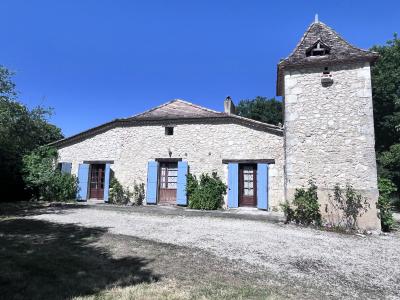
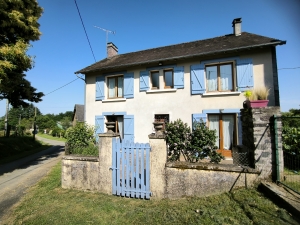
Detached Country House with Open Views and Barn

Lovely Countryside Location

AMR00110 - Dordogne

REDUCED to €149,000 FAI